UN’s peacekeeping mission in Western Sahara ends after 35 years following US-Russia standoff
A former educator, Lucas holds a degree in Education from Nazareth College and has transitioned to journalism, focusing on education reporting for the Rochester Beacon. He aims to shed light on both the challenges and triumphs within local schools.
More from Lucas →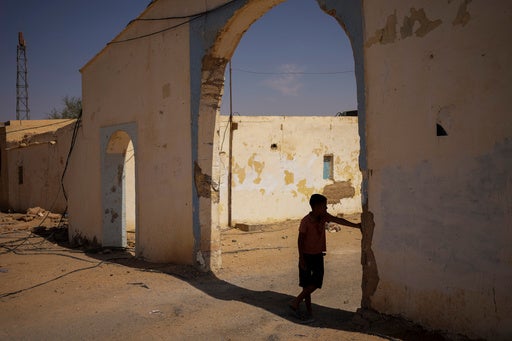
As the sun dipped below the horizon in the Boujdour refugee camp, a young Sahrawi boy stood in the shadows, his eyes reflecting the uncertainty of a future that has been in limbo for decades. This poignant image encapsulates the human cost of a geopolitical standoff that has left the people of Western Sahara in a state of prolonged instability. On November 1, 2026, the United Nations’ peacekeeping mission in Western Sahara, known as MINURSO, ceased operations after 35 years, marking a significant turning point in a conflict that has shaped the lives of countless individuals.
The End of a Long-Standing Mission
The UN's peacekeeping mission was established in 1991 to oversee a cease-fire and facilitate a referendum on self-determination for the Sahrawi people. However, the long-anticipated vote never materialized, embroiled in a complex web of political maneuvering. The mission had been extended repeatedly over the years, reflecting the ongoing tensions between Morocco and the pro-independence Polisario Front, which claims the territory as its own.
On that fateful day in November, Stéphane Dujarric, spokesperson for the UN Secretary-General, announced the beginning of a liquidation period for the mission. This decision followed a standoff between the United States and Russia at the UN Security Council, where Russia vetoed a U.S. resolution that sought to support Morocco's claims to sovereignty over the territory. In a twist of irony, a Russian proposal to extend the mission was also voted down, leading to an abrupt end to MINURSO's mandate.
The implications of this decision are profound. With the UN mission's departure, the region faces a precarious future, raising questions about the stability of Western Sahara, a territory rich in minerals and fisheries. As Morocco celebrates the end of what it has termed an 'instrument to internationalize the dispute,' the Polisario Front and its supporters mourn what they see as an unacceptable loss of international oversight.
Historical Context of the Conflict
Western Sahara's history is steeped in colonialism and conflict. Once a Spanish colony, the territory was annexed by Morocco in 1975, leading to a protracted armed conflict that lasted for over 15 years. This conflict resulted in the loss of more than 16,000 lives, as documented by the French Senate, and left a deep scar on the collective memory of the Sahrawi people.
The UN classifies Western Sahara as a 'non-self-governing territory,' and critics of Moroccan control argue that it remains Africa's last colony. The Polisario Front, which seeks independence for the territory, has operated from refugee camps in Algeria, advocating for the establishment of an independent Sahrawi Republic. Despite the dwindling international support for their cause, the Polisario remains steadfast in its pursuit of self-determination.
Morocco's claim to the territory has been bolstered by the backing of several Western nations, including the United States, France, and the United Kingdom. This support has allowed Morocco to frame the narrative around Western Sahara as a matter of territorial integrity, often measuring its diplomatic relations with other nations based on their stance on the issue.
The Human Cost of Conflict
For the people of Western Sahara, the cessation of the UN peacekeeping mission signals an uncertain future. The humanitarian situation in the region has been precarious, with many Sahrawis living in refugee camps under challenging conditions. The absence of international oversight raises fears of escalating tensions and a potential return to armed conflict.
The UN mission was not just about peacekeeping; it was a lifeline for many in the region. It provided a semblance of stability and a platform for dialogue, even if the promised referendum never took place. The withdrawal of MINURSO leaves a void that could easily be filled by conflict, as both sides remain entrenched in their positions.
As the Polisario Front withdrew from the ceasefire agreement in 2020, the situation has only deteriorated, resulting in low-intensity hostilities that continue to plague the territory. The UN Secretary-General has expressed concern about the security situation and the risk of renewed hostilities, calling on all parties to exercise restraint and prioritize the rights of the Sahrawi people.
Community Perspectives
The end of the peacekeeping mission has elicited a range of reactions from the communities involved. In Morocco, there is a sense of relief and celebration, as the royal palace welcomed the decision, framing it as a victory for national sovereignty. For many Moroccans, the territorial claims over Western Sahara are deeply tied to national identity and pride.
Conversely, the Polisario Front and its supporters view the UN's withdrawal as a betrayal of their struggle for independence. The Algerian foreign ministry expressed profound regret over the non-renewal of MINURSO's mandate, criticizing the perceived bias of the U.S. resolution. This divide reflects the broader geopolitical tensions in the region, particularly between Morocco and Algeria, which have seen their diplomatic relations deteriorate in recent years.
For ordinary Sahrawis, the end of the mission raises pressing questions about their future. Many are caught in a limbo, yearning for recognition of their rights and a resolution to the long-standing conflict. The humanitarian needs in the refugee camps remain critical, with access to basic services often limited. As the international community steps back, the fate of the Sahrawi people hangs in the balance.
What's Next for Western Sahara?
The future of Western Sahara remains uncertain, with the end of the UN mission marking a new chapter in a long-standing conflict. The risk of escalating hostilities looms large, as both Morocco and the Polisario Front remain entrenched in their positions. The potential for renewed conflict raises concerns not only for the people of Western Sahara but also for regional stability in North Africa.
As the international community watches closely, the UN Secretary-General's call for restraint and respect for the rights of the Sahrawi people takes on added significance. The absence of a peacekeeping presence could embolden hardliners on both sides, leading to an escalation of tensions that could spiral out of control.
In the coming months, diplomatic efforts will be crucial in addressing the underlying issues that have fueled the conflict for decades. The importance of dialogue and negotiation cannot be overstated, as both parties must find a way to bridge their differences and work towards a peaceful resolution. The international community's role in facilitating these discussions will be vital in shaping the future of Western Sahara.
As we reflect on the end of the UN peacekeeping mission, we are reminded of the human stories behind the headlines. The Sahrawi people, with their hopes and dreams for a better future, deserve to be heard and supported in their quest for self-determination. The world must not turn its back on their struggle, for their fate is intertwined with the broader quest for peace and justice in our time.