
Community
After backlash, Buffalo Board of Education members no longer attending $15K conference in Arizona
By Ava Martinez
Advertisement · Why this ad?
Ava Martinez has spent over 3 years covering community issues in Buffalo, particularly focusing on social justice initiatives and grassroots movements. With a degree in Sociology from the University at Buffalo, she has a deep understanding of the societal factors impacting local neighborhoods. Ava previously worked as a community organizer before transitioning to journalism.
More from Ava →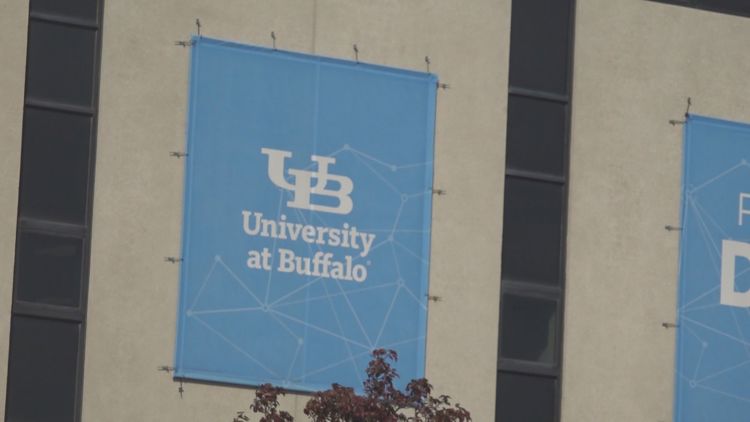
On a chilly autumn morning at the University at Buffalo, a group of students and community members gathered outside the campus administration building. Their faces reflected a mix of concern and determination as they listened to university officials announce a pause on a new security initiative. This moment, seemingly small in the grand scheme, encapsulates a larger story about privacy, safety, and community trust that is reverberating across Buffalo.
In recent weeks, the University at Buffalo unveiled a plan to install license plate reader (LPR) cameras across its campus as part of a broader effort to enhance security and prevent crime. The initiative, projected to cost around $500,000, aimed to monitor vehicle activity and identify potential threats before they could escalate. The plan involved strategically placing cameras at key entry and exit points, parking lots, and internal campus roads to create a comprehensive surveillance network. The university argued that such technology could help quickly identify stolen vehicles, unregistered or suspicious cars, and even assist in locating individuals involved in criminal activity.
However, this proposal quickly drew scrutiny from students, faculty, and local residents who expressed deep concerns over privacy and civil liberties. Buffalo, a city known for its tight-knit communities and a strong sense of local pride, has historically been cautious about surveillance measures that could infringe on personal freedoms. The campus, home to over 30,000 students and countless faculty and staff, is a microcosm of this larger community. Many residents and students worry that the implementation of license plate readers could set a precedent for increased monitoring and erosion of privacy rights.
Following a series of community meetings, public comments, and social media discussions, university leadership announced they would temporarily suspend the project. “We are committed to ensuring our campus remains safe,” said UB Vice President for Safety and Security, Dr. Laura Jenkins. “But we also recognize the importance of listening to our community’s concerns and exploring alternative solutions that respect individual privacy.”
The response from Buffalo’s residents was swift and passionate. Community members, students, and local advocacy groups mobilized quickly to voice their opposition. Many expressed fears that such surveillance could lead to overreach and a loss of personal freedoms, especially in a city that values its history of civil rights activism and community resilience. “It’s unsettling to think that every vehicle I drive on campus could be tracked and stored,” said local resident and parent, Mark Rivera, who has lived in Buffalo for over two decades. “We need security, yes, but not at the expense of our privacy and trust.”
Buffalo’s neighborhoods—ranging from the historic Elmwood Village to the diverse East Side—have long been wary of surveillance measures that could disproportionately impact marginalized communities. The city’s history of activism and advocacy for civil liberties makes residents especially sensitive to the potential misuse of technology like license plate readers. Many community leaders emphasized the importance of transparency and community input in decisions that affect civil liberties.
Advocates for civil liberties argued that license plate readers, while effective in some crime prevention efforts, pose significant risks if misused. Civil rights organizations warn that data collected could be exploited or shared without proper oversight, potentially leading to profiling or unwarranted surveillance. Buffalo’s own Civil Liberties Union chapter has voiced concerns about the potential for such technology to be used beyond its intended scope, including tracking individuals without cause or due process.
The debate highlights a broader national conversation about balancing safety with individual rights, especially on college campuses that serve as microcosms of society. Historically, Buffalo has been at the forefront of civil rights movements, from the 1919 race riots to recent protests advocating for social justice. This legacy influences how residents view surveillance and privacy issues, emphasizing the importance of community oversight and accountability.
University officials have emphasized that the pause is an opportunity to review policies and ensure transparency. “We want to build trust with our students and community,” Dr. Jenkins added. “This means engaging stakeholders in meaningful dialogue and considering their perspectives before moving forward.” The university has scheduled a series of public forums and forums with civil rights advocates to discuss alternative safety measures and address community concerns.
The decision to halt the license plate reader plan marks a victory for community advocates and a reminder of the importance of civic engagement. It also underscores the need for institutions like UB to incorporate community voices into their safety policies. Buffalo’s neighborhoods are diverse, with varying needs and perspectives, making inclusive decision-making essential for sustainable safety strategies.
As Buffalo continues to grow—both in population and economic development—the city faces ongoing challenges related to crime, urban renewal, and community trust. Many local leaders see this pause as an opportunity to foster stronger relationships between institutions and residents, rooted in open communication and shared responsibility. The Buffalo Police Department, for example, has been collaborating with community groups to develop crime prevention programs that emphasize community policing and neighborhood watch initiatives.
Looking ahead, the university has committed to exploring alternative safety strategies, including increased campus patrols, improved lighting, and community outreach programs. These efforts aim to create a safer environment without infringing on personal liberties. The university also plans to involve students and residents in ongoing safety planning, ensuring that policies reflect community values and priorities.
Residents are encouraged to stay involved, voice their concerns, and participate in ongoing discussions about the future of campus safety in Buffalo. The city’s long history of resilience and activism suggests that community engagement is not just a moment but an ongoing process that shapes policy and culture. Local organizations, faith groups, and student bodies are all vital stakeholders in this dialogue, working together to find solutions that balance security with dignity.
In a city proud of its resilient families and steadfast faith, this episode underscores the need for solutions that honor both security and individual dignity. As Buffalo’s story unfolds, it’s clear that community unity and authentic engagement remain the bedrock of progress and peace. The community’s response to the UB surveillance plan exemplifies Buffalo’s enduring spirit—a city that values its history, its people, and its future.
By Ava Martinez

By Emily Tran

By Luis Martinez

By Maria Gomez