Health
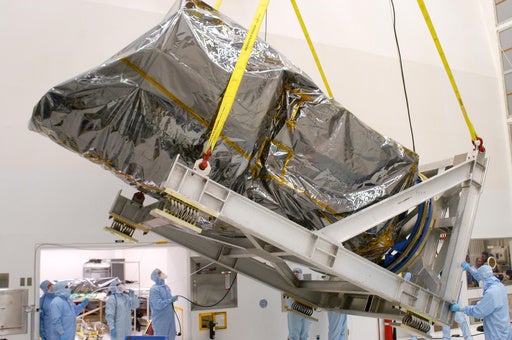
NASA space telescope plunges to Earth after two decades studying cosmic explosions
By Lila Thompson
Advertisement · Why this ad?
A former educator, Lucas holds a degree in Education from Nazareth College and has transitioned to journalism, focusing on education reporting for the Rochester Beacon. He aims to shed light on both the challenges and triumphs within local schools.
More from Lucas →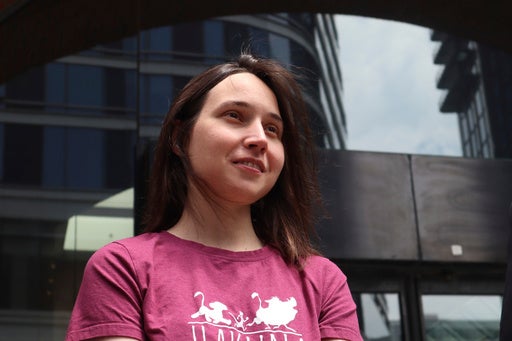
In a striking turn of events, Harvard researcher Kseniia Petrova walked out of the John Joseph Moakley United States Courthouse in Boston, her future no longer clouded by the specter of smuggling charges. Just a year ago, she was detained for four months, her aspirations of advancing cancer research through innovative frog embryo studies seemingly shattered. Now, as the sun set over the Boston skyline, she could finally breathe a sigh of relief, a testament to the resilience of a dedicated scientist caught in a bureaucratic storm.
The saga began in early 2025 when Petrova returned from a vacation in France, where she had collaborated with a lab specializing in frog embryo research. Upon landing at Logan International Airport, she was questioned by customs officials about a package containing frog embryos intended for her groundbreaking cancer research at Harvard Medical School. To her shock, she was arrested and charged with smuggling, a claim that would haunt her for months.
On June 12, 2025, after spending four months in immigration detention, Petrova was released on bail. Her journey through the legal system was fraught with uncertainty, as she feared deportation back to Russia, where she could face imprisonment. The case took a significant turn in April 2026, when a federal judge ruled that a customs officer had improperly canceled Petrova's visa, raising questions about the legitimacy of the charges against her.
Finally, on a Tuesday night in June, U.S. Attorney Leah Foley filed a motion to dismiss all charges against Petrova. She cited an assessment of the prosecution's priorities and resources, stating that the costs of continuing the case outweighed the public interest. This decision marked a pivotal moment in Petrova's life, allowing her to return to her research without the weight of criminal allegations looming over her.
The news of the charges being dropped sparked a wave of relief and support from the scientific community and beyond. Many colleagues and friends had rallied behind Petrova, recognizing her dedication to advancing medical research. Her attorney, Daniel Marx, expressed gratitude for the dismissal, emphasizing that Petrova’s intentions were never malicious. “She only sought to advance medical research into aging that could benefit everyone,” he stated.
The case had raised concerns about the treatment of scientists and researchers, especially those from abroad, and the implications of stringent immigration policies on innovation and collaboration. Local scientists and academics voiced their fears that such incidents could deter talented individuals from pursuing their research in the United States. Dr. Emily Chen, a colleague at Harvard, highlighted, “This could have long-lasting effects on the collaborative spirit that drives scientific progress.”
Petrova's ordeal highlighted the precarious balance between national security and the need for open scientific inquiry. Many experts argued that the prosecution's approach to her case could set a dangerous precedent for future researchers. “This case underscores the importance of clear communication and understanding between immigration authorities and the scientific community,” said Dr. Emily Chen, a fellow researcher at Harvard. “We must ensure that our policies foster collaboration rather than stifle it.”
As news of the charges being dropped spread, discussions emerged about the broader implications for international researchers working in the U.S. The scientific community rallied around the idea that fostering an environment of trust and collaboration is essential for progress. Petrova’s experience serves as a reminder of the delicate nature of navigating immigration laws while pursuing groundbreaking research that ultimately benefits society.
The legal battles Petrova faced raised significant ethical questions about the prosecution's motivations. Critics argued that the charges were not only unjust but also reflective of a broader trend of overreach in immigration enforcement. The Department of Homeland Security had previously defended her detention, citing alleged false statements made by Petrova regarding the frog embryos. However, the dismissal of charges suggests that the case lacked the robust evidence typically required for such serious allegations.
Petrova’s legal team contended that the prosecution was vindictive, initiated only after it became apparent that she might win her immigration case. This assertion resonated with many who believe that the government should prioritize the advancement of science over punitive measures against researchers. “The DOJ never should have brought this highly unusual ‘smuggling’ prosecution against Kseniia Petrova,” Marx stated, emphasizing the need for a more compassionate understanding of the complexities faced by international researchers.
With the charges against her now dismissed, Petrova is eager to refocus on her research. She aims to explore the potential of frog embryos in understanding cancer biology, a field that holds promise for new treatments and therapies. “I am grateful for the support I received during this challenging time, and I look forward to contributing to the scientific community once again,” she shared in a recent interview.
Petrova's research is particularly significant in the context of Boston's robust biomedical landscape, which is home to numerous leading institutions and startups focused on cancer research. The implications of her work extend beyond academia; breakthroughs in cancer treatment could lead to significant advancements in public health. As the city remains a hub for scientific innovation, Petrova's contributions could inspire a new wave of research initiatives.
The dismissal of charges against Petrova not only marks a personal victory but also serves as a call to action for policymakers to reassess how immigration laws intersect with scientific research. As the nation moves forward, it is crucial to ensure that the pursuit of knowledge is not hindered by fear or misunderstanding.
In the wake of this incident, the scientific community in Boston has rallied to strengthen ties among researchers, advocating for clearer guidelines that protect international scientists. Initiatives aimed at fostering collaboration and support networks have emerged, emphasizing the importance of community in navigating the complexities of research and immigration. Workshops and forums are being organized to educate researchers about immigration policies, ensuring they are well-informed and can avoid similar situations in the future.
As Petrova embarks on this new chapter in her career, her story serves as a reminder of the resilience of the human spirit in the face of adversity. It also highlights the critical role that committed families and supportive communities play in helping individuals navigate life's challenges. Through unity and understanding, the scientific community can continue to thrive, ensuring that breakthroughs in research benefit all.
Moving forward, it is essential for the U.S. to embrace its role as a leader in scientific innovation, welcoming diverse voices and perspectives that contribute to the greater good. The journey of Kseniia Petrova is a testament to the power of perseverance and the importance of standing together as a community. As the scientific community reflects on this incident, it is an opportunity to advocate for policies that protect researchers and foster an environment where collaboration can flourish, ultimately benefiting society as a whole.
By Lila Thompson

By Jamal Washington

By Victor Ames

By Tanya Lopez