Community
Amherst voters face decision over term limit proposition sparking debate over wording of proposed law
By Ava Martinez
Advertisement · Why this ad?
Ava Martinez has spent over 3 years covering community issues in Buffalo, particularly focusing on social justice initiatives and grassroots movements. With a degree in Sociology from the University at Buffalo, she has a deep understanding of the societal factors impacting local neighborhoods. Ava previously worked as a community organizer before transitioning to journalism.
More from Ava →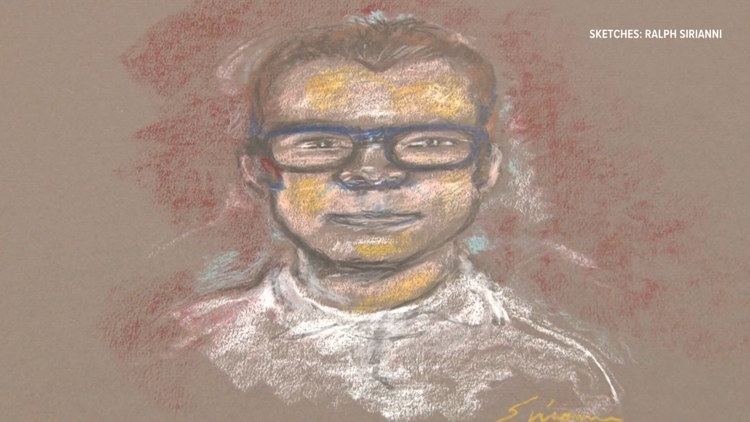
As the sun began to set over Buffalo, casting a golden hue over the city, a palpable tension filled the air outside the federal courthouse. Families, friends, and community members gathered, their faces etched with worry and anticipation. They were here for a trial that would ultimately confront the darkest corners of humanity—the federal death penalty trial of Payton Gendron, the man accused of committing a horrific mass shooting that shook this vibrant community to its core.
The trial of Payton Gendron, who stands accused of killing ten people in a racially motivated attack at a Tops Friendly Markets store in Buffalo on May 14, 2022, is a pivotal moment for the city. As jury selection continues, the courtroom has become a battleground of moral and ethical questions surrounding the death penalty and the graphic evidence that will be presented during the trial. Gendron, 19 years old at the time of the shooting, is facing charges that could lead to a death sentence if convicted.
During this critical phase of the trial, attorneys are meticulously questioning prospective jurors about their views on the death penalty, as well as their ability to handle the harrowing evidence that will undoubtedly be part of the proceedings. This process is not just a legal formality; it is a reflection of the community's values and the deeply personal nature of the crime that has affected so many.
The community's response to the trial has been one of profound grief and resilience. Many Buffalo residents have expressed a desire for justice, but also a longing for healing. "It’s hard to think about what happened that day, but we need to face it to move forward," said Angela Simmons, a local resident who lost her cousin in the shooting. "We want to ensure that something like this never happens again in our city."
Local leaders have been vocal in their calls for justice, emphasizing the need for accountability and the importance of addressing the underlying issues of hate and racism that contributed to the tragedy. City Council President Darius Pridgen stated, "This trial is not just about one man’s actions; it’s about confronting the systemic issues that allow hate to flourish in our society. We must use this moment to educate and inspire change."
The victims' families are at the forefront of this trial, their lives forever altered by the tragedy. Each name represents a story, a family shattered. For instance, Ruth Whitfield, 86, was a beloved matriarch who was simply shopping for groceries when her life was taken. Her son, Garnell Whitfield, has been vocal about the need for accountability and justice. "We are here to make sure that my mother’s legacy is honored and that the community understands the impact of hate," he shared during a recent vigil.
Other families have also shared their stories, creating a powerful narrative that resonates throughout the community. For example, the family of Celestine Chaney, a 65-year-old grandmother who was also killed in the attack, has been active in sharing her story. They have participated in community forums, emphasizing the importance of remembering the victims and advocating for a future free from violence. "We want people to know who she was, not just a statistic in a tragedy," said her daughter, who has been a vocal advocate for change.
As the trial unfolds, the community is also rallying around initiatives aimed at promoting unity and understanding. Local organizations have been working tirelessly to foster dialogue about race, violence, and reconciliation. The Buffalo Urban League, for example, has launched programs designed to educate the public about the dangers of hate and the importance of community solidarity. Their efforts include workshops and community discussions aimed at fostering understanding and healing.
The legal proceedings surrounding the death penalty are complex and fraught with emotional weight. In the United States, the federal death penalty is a contentious issue, often sparking heated debates about morality, justice, and the effectiveness of capital punishment as a deterrent to crime. Buffalo's residents find themselves caught in this national conversation, grappling with their own beliefs while seeking justice for the victims.
As the jury selection process continues, potential jurors are being asked to consider their own biases and experiences. Some have expressed reluctance to serve on a jury that may ultimately decide a person's fate. However, the importance of their role cannot be overstated. The jury will be tasked with determining not only Gendron's guilt or innocence but also whether he deserves the ultimate punishment.
Legal experts have noted that the outcome of this trial could have far-reaching implications, not only for the families involved but also for the broader discourse on race and violence in America. Attorney General Merrick Garland has emphasized the need for the federal government to take a strong stance against hate crimes, suggesting that this trial could serve as a precedent for how similar cases are handled in the future.
In the wake of the tragedy, Buffalo has shown remarkable resilience. Community leaders are emphasizing the importance of healing and unity. Events such as vigils and community forums have become essential spaces for residents to share their experiences and support one another. The Buffalo Strong movement has emerged, symbolizing the city's determination to rise above hate and violence.
Local churches have also stepped up, providing spiritual guidance and support to those affected. Pastor Mark Johnson of the Buffalo Community Church stated, "We are here to remind our community that love and faith can triumph over hate. We must come together to heal and rebuild, ensuring that our loved ones are never forgotten." This sentiment is echoed by many faith leaders in the area, who are collaborating on interfaith healing services aimed at bringing the community together.
Moreover, mental health professionals have been working with local organizations to offer counseling and support to those impacted by the shooting. The trauma of such an event can linger long after the headlines fade, and these services are crucial for helping individuals and families cope with their loss and begin the healing process.
The trial of Payton Gendron is set to continue, and with it, the hopes and fears of the Buffalo community. As jury selection progresses, many are left wondering how this trial will shape the future of their city. Will it bring closure to the families of the victims? Will it spark a renewed commitment to combatting hate and violence?
As residents prepare for the days ahead, they remain steadfast in their belief that love, community, and resilience will prevail. The stories of the victims will not be forgotten; rather, they will serve as a catalyst for change and a reminder of the power of unity in the face of adversity.
Buffalo is a city that has faced challenges before, and its spirit is unbreakable. As the trial moves forward, the community stands together, ready to confront the past while forging a path toward a brighter future. The outcome of this trial may not only influence local policies but could also inspire nationwide conversations about race, justice, and community healing.
By Ava Martinez

By Ava Martinez

By Emily Tran

By Ava Martinez