
Schools
Power 4 school fires coach amid 3-5 football season
By Samantha Reed
Advertisement · Why this ad?
A former educator, Lucas holds a degree in Education from Nazareth College and has transitioned to journalism, focusing on education reporting for the Rochester Beacon. He aims to shed light on both the challenges and triumphs within local schools.
More from Lucas →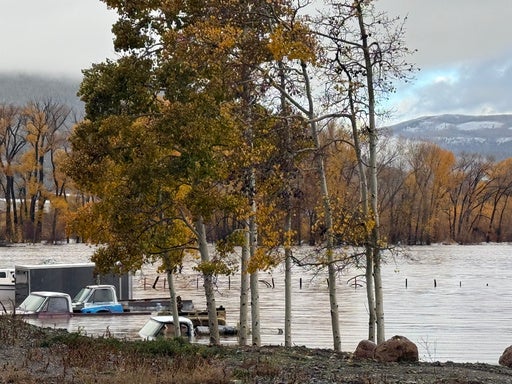
As the sun dipped below the horizon on a crisp October evening, the usually serene landscapes of Sedona, Arizona, transformed into a scene of chaos and urgency. Residents watched helplessly as floodwaters surged through their neighborhoods, prompting emergency sirens to wail and evacuation orders to echo through the canyons. In a matter of hours, tranquil lives were turned upside down, and the community faced a potentially catastrophic flood event.
On Sunday, October 23, 2026, heavy rains unleashed flash floods across the Southwest, leading to mandatory evacuations in Sedona and Pagosa Springs, Colorado. The National Weather Service had warned that the region, typically dry, was about to experience severe weather, with forecasts predicting up to 4 inches of rain. This deluge was fueled by a series of Pacific storm systems, saturating the ground and creating conditions ripe for flooding.
In Sedona, officials ordered immediate evacuations for residents living near Oak Creek as floodwaters rose rapidly. The situation escalated quickly, with reports of individuals trapped in their homes due to the inundation. The urgency of the situation was palpable as Sedona Fire District Chief Ed Mezulis urged residents to seek higher ground and heed emergency alerts.
Meanwhile, in Pagosa Springs, Colorado, the San Juan River was forecast to crest at more than 19 feet, a height surpassing that of the devastating flood of 1911. The Archuleta County Sheriff’s Office warned residents of the potential for “catastrophic flooding,” advising those in low-lying areas to evacuate immediately. The gravity of the situation was underscored by the historical context, emphasizing the urgency of the current crisis.
The response from local officials and emergency services was swift and organized. In Sedona, residents were directed to evacuate to Sedona Red Rock High School, a designated shelter. Fire crews from surrounding areas mobilized to assist, showcasing a community united in the face of adversity. Social media played a crucial role in disseminating information, with local authorities using platforms like Facebook to keep residents informed about the rising waters and safety measures.
In Pagosa Springs, officials warned that the highway leading into the town would be closed to inbound traffic, further emphasizing the need for immediate action. Residents were urged to move to designated shelters at local churches, highlighting the community’s commitment to ensuring safety amidst chaos. The local government’s proactive measures exemplified the importance of preparedness in mitigating the impact of natural disasters.
As floodwaters surged, individual stories began to emerge, painting a vivid picture of the human experience during this crisis. One Sedona resident, Maria Torres, described the moment she realized the water was rising too quickly to escape. “We were watching the news when we saw the water creeping up our driveway. Within minutes, it was at our front door,” she recounted, her voice trembling with emotion. “We had to grab our kids and leave everything behind.”
Such stories are a poignant reminder of the fragility of life and the strength of community. Neighbors banded together, offering support and shelter to those displaced by the floods. In times of crisis, the bonds of family and friendship often shine the brightest, showcasing the resilience of the human spirit.
The impact of the flash floods extended beyond immediate safety concerns. Infrastructure in both Sedona and Pagosa Springs faced significant challenges. Roads were submerged, making travel perilous and complicating rescue efforts. In Sedona, officials warned residents against attempting to drive across flooded roads, emphasizing the dangers of rushing waters.
In Pagosa Springs, the potential for extensive damage loomed large. The town's historical context, marked by the devastating flood of 1911, served as a stark reminder of the risks posed by natural disasters. As the San Juan River approached its critical crest, local officials prepared for the worst, bracing for potential destruction to homes and businesses.
Emergency crews worked tirelessly to assess damage and provide assistance, but the scale of the flooding posed significant challenges. As the waters receded, the community would face the daunting task of recovery and rebuilding, underscoring the need for resilience and support.
As the storms began to subside, attention turned to recovery efforts and the long-term implications of the flooding. Local officials in both Sedona and Pagosa Springs began to assess the damage and strategize on rebuilding efforts. The community's spirit remained unbroken, with residents coming together to support one another in the aftermath of the crisis.
In Sedona, city officials announced plans to hold community meetings to discuss recovery strategies and gather input from residents about their needs moving forward. This approach aims to ensure that the voices of those affected are heard in the rebuilding process. The collaboration between local government, non-profit organizations, and community members will be crucial in navigating the recovery phase.
In Pagosa Springs, the local Chamber of Commerce emphasized the importance of supporting local businesses impacted by the flooding. Many small businesses rely heavily on tourism, and the community is rallying to promote recovery initiatives that will help these establishments bounce back. Local events and fundraising efforts are being organized to boost the economy and remind residents that they are not alone in this struggle.
In the wake of the flooding, various resources were made available to assist affected residents. Local shelters, such as Sedona Red Rock High School and designated churches in Pagosa Springs, provided immediate refuge for those displaced. Community organizations mobilized to offer food, clothing, and essential supplies to those in need.
For those seeking assistance, the American Red Cross is a valuable resource, providing support and guidance during disasters. Additionally, local government websites, such as the Archuleta County website, offer updates on recovery efforts and available resources.
As the community begins to heal, it is essential to remember the importance of coming together in times of crisis. The bonds forged during these challenging moments will serve as a foundation for a brighter future.
The flooding in Sedona and Pagosa Springs is not just a natural disaster; it is a stark reminder of the vulnerabilities faced by communities in the face of climate change. As weather patterns become increasingly unpredictable, local leaders and residents alike are beginning to understand the necessity of investing in infrastructure improvements and emergency preparedness. This event could serve as a catalyst for discussions about sustainable practices and the need for better flood control systems, which are crucial for the long-term safety of these communities.
Moreover, the emotional toll of such disasters cannot be understated. Families are displaced, and the psychological effects of losing homes and belongings can linger long after the waters recede. Community mental health resources are likely to be in high demand as residents process their experiences and begin to rebuild their lives.
In the coming weeks, as recovery efforts unfold, it will be vital for local leaders to engage with residents, ensuring that their needs and concerns are addressed. This disaster could ultimately foster a stronger sense of community and resilience, as neighbors come together to support one another in the face of adversity.
By Samantha Reed

By Evelyn Rodriguez

By Michael Reyes

By Nina Rodriguez